

Online Spiritual Care. Involving spiritual care providers and chaplains, this project investigates the challenges and opportunities toward expanding spiritual care delivery into online spaces such as peer support based online health communities hosted on social media. This project is supported by the John Templeton Foundation.

Teen Digital Safety. This project explores the research and design of digital safety techniques to help protect teens from harm on social media, with a strong focus on involving parents in the process. It investigates parental perspectives and preferences around privacy-preserving digital identity solutions, involving proof-of-human, age verification, and parental consent management systems.

Sensitive Self-Disclosure. Parents encounter challenges when communicating health-related information to their children, especially in sensitive contexts like HIV. Yet, supporting parents in disclosing their child’s illness status is rarely reflected in currently available systems. This project aims to investigate the role of AI/LLM-based conversational agents in facilitating parental HIV status disclosure.

VR Meditation. This study intends to examine the viewpoints of mental health clinicians who work with adolescents regarding a mindfulness-based virtual reality application called ZenVR. The goal is to gather design insights specifically suited to the requirements of adolescents coping with mental health issues.
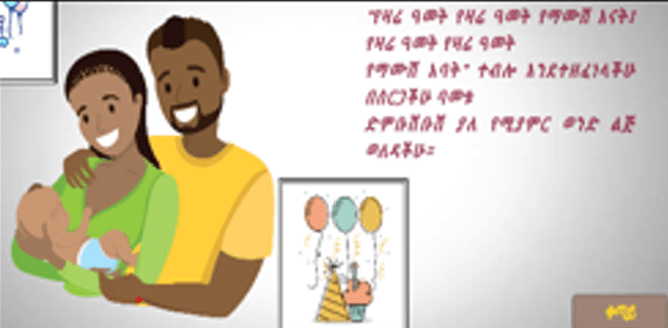
Parental HIV Status Disclosure. This study investigates if interactive technologies can aid parents in disclosing their children’s HIV status, often concealed due to stigma fears. By emphasizing the connection between disclosure, parents’ HIV experience, and their perception of it as an event rather than a process, we present an experiential prototype that facilitates incremental disclosure through interactive storytelling, potentially reshaping parental perspectives and approaches to disclosure.
Full details are found in an article associated with this project, see publication at ACM | Also, watch a video presentation of the project prepared for the ACM CHI 2023 conference.

Lived Experiences of Adolescents Living with HIV. Leveraging theoretical frameworks, this project aimed to explore the lived experiences of adolescents dealing with HIV and the potential role of technology in supporting HIV management. The findings underscore a significant challenge: parents are reluctant to disclose their children’s HIV status to the children themselves due to the fear of the associated stigma.
Full details are found in an article associated with this project, see publication at ACM | Also, watch a video presentation of the project prepared for the ACM CHI 2022 conference.

Health Behavior Theories Underlying HIV Health Apps. This project reviewed previous health tech designs for aiding adolescents with HIV, considering their alignment with behavioral health theories and adolescent psychology. Most apps were discovered to lack customization for teens, focusing on medication reminders yet overlooking the complexity of living with HIV. See publication at JMIR.
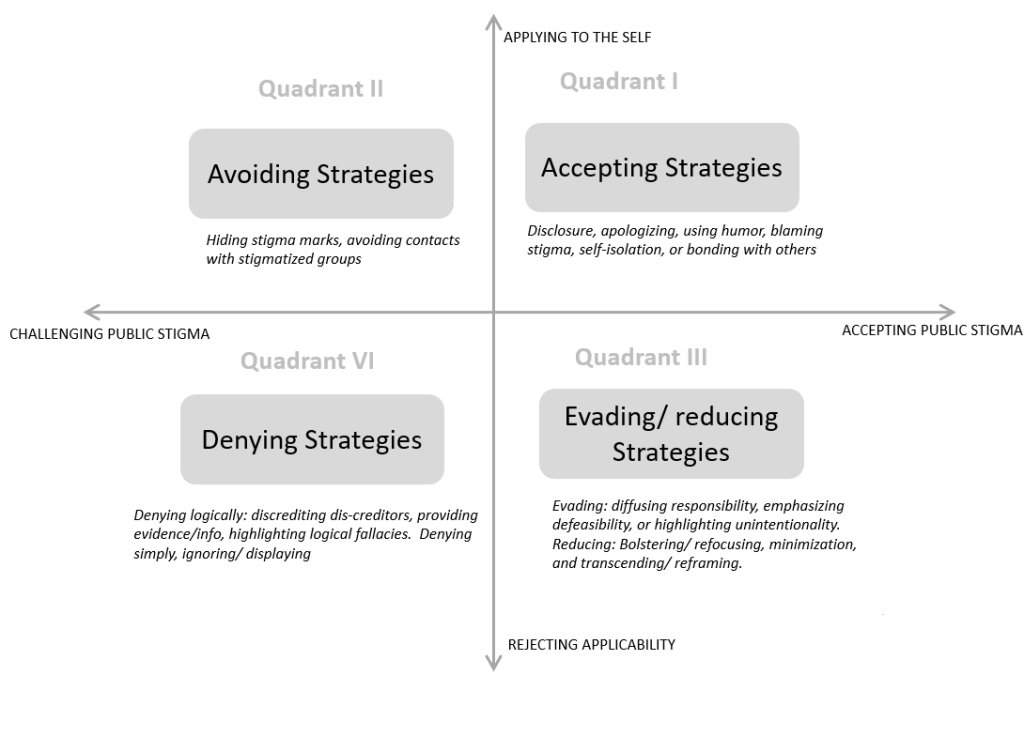
Designing for People Living with HIV through the Lens of Stigma. Designing for Using stigma perspectives from medical and social science literature, this project evaluated HIV technologies, examining their design approaches aimed at mitigating HIV-related stigma. Although recent studies have begun to directly tackle HIV stigma, HCI research should incorporate lessons from societal stigma mechanisms, exploring why HIV carries stigma and how this stigma is conveyed – i.e. stigma-informed computing.
 Alemitu Bezabih, PhD